
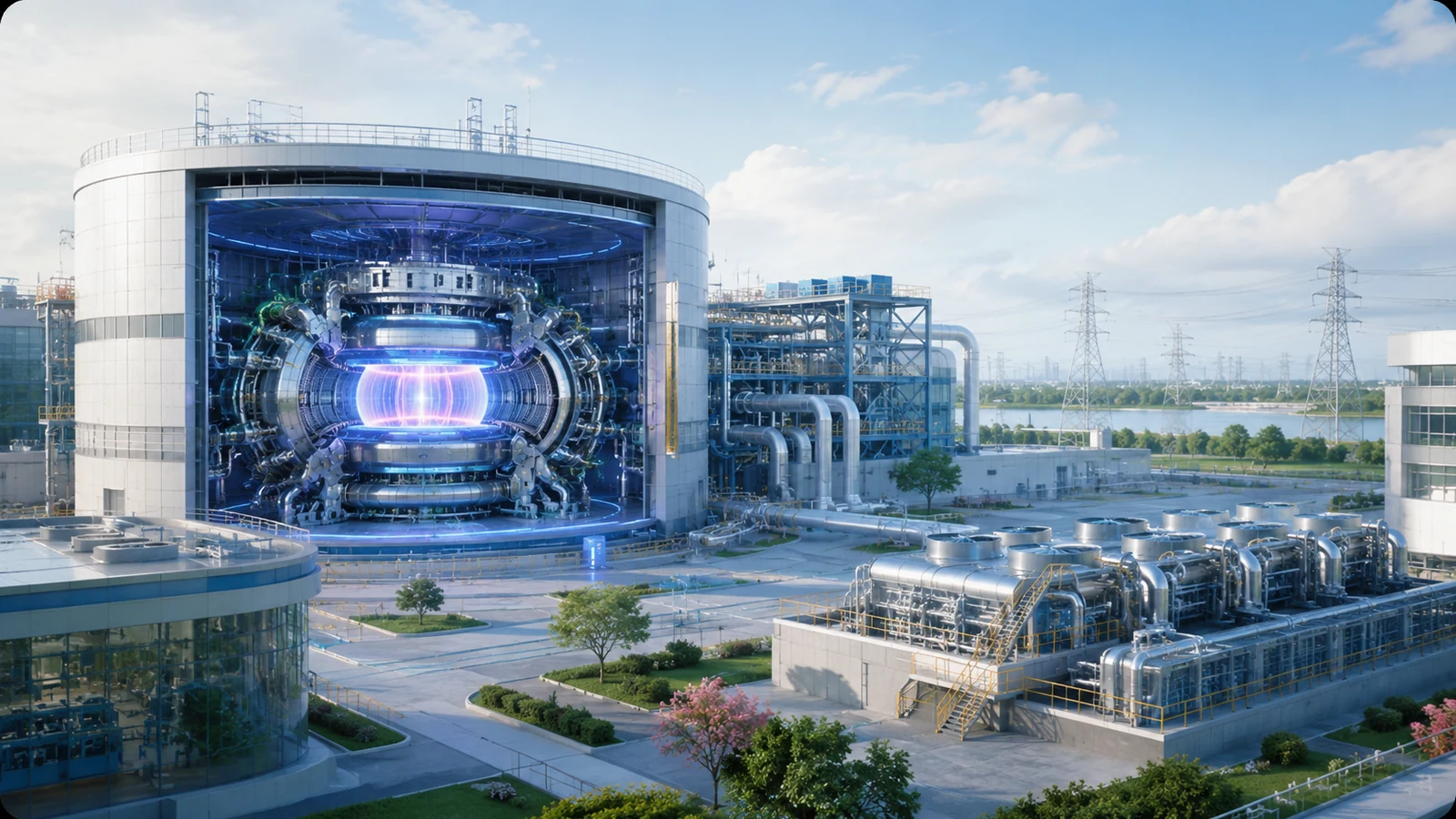
Full blog page
Fusion Energy and Bangladesh: Why Student Readiness Matters First
- Fusion power plants may not be possible for Bangladesh now.
- Bangladesh can prepare students for future energy support and foreign company work.
- Better students, labs, documentation and industry exposure can create a foreign earning path.
| Layer | Preparation | Outcome |
|---|---|---|
| Students | Awareness, math, physics, communication | Better direction |
| Universities | Lab use, projects, reports | Practical skill |
| Industry exposure | Power plants, automation, documentation | Realistic judgment |
| Foreign work | Remote support, technical roles, documentation | Foreign income and remittance |
The honest position
Bangladesh should not claim that it can build fusion power plants today. The stronger position is that Bangladesh can prepare students for future energy support areas: cooling, grid, sensors, materials, documentation, software, laboratories and industrial systems.
Why students must come first
Future energy will need engineers, technicians, analysts, documentation people, instrumentation people and project support people. If students start early with practical learning, Bangladesh can create globally usable human resources instead of only discussing technology from far away.
How foreign remittance connects
When Bangladeshi engineers work for foreign companies, remote teams, energy support firms or technical service companies, they can earn foreign income. That is a higher value remittance path than only low skill migration.
What universities can do now
Existing universities can improve lab use, student projects, technical communication, industry exposure and future energy awareness. These steps do not need a fusion plant to begin.
Public message
The clean message is: Bangladesh may not be ready for fusion plant ownership, but it can prepare students for future energy support work and global technical earning.