The Client Need
Keeping A Legacy Power-Plant Controller In Service
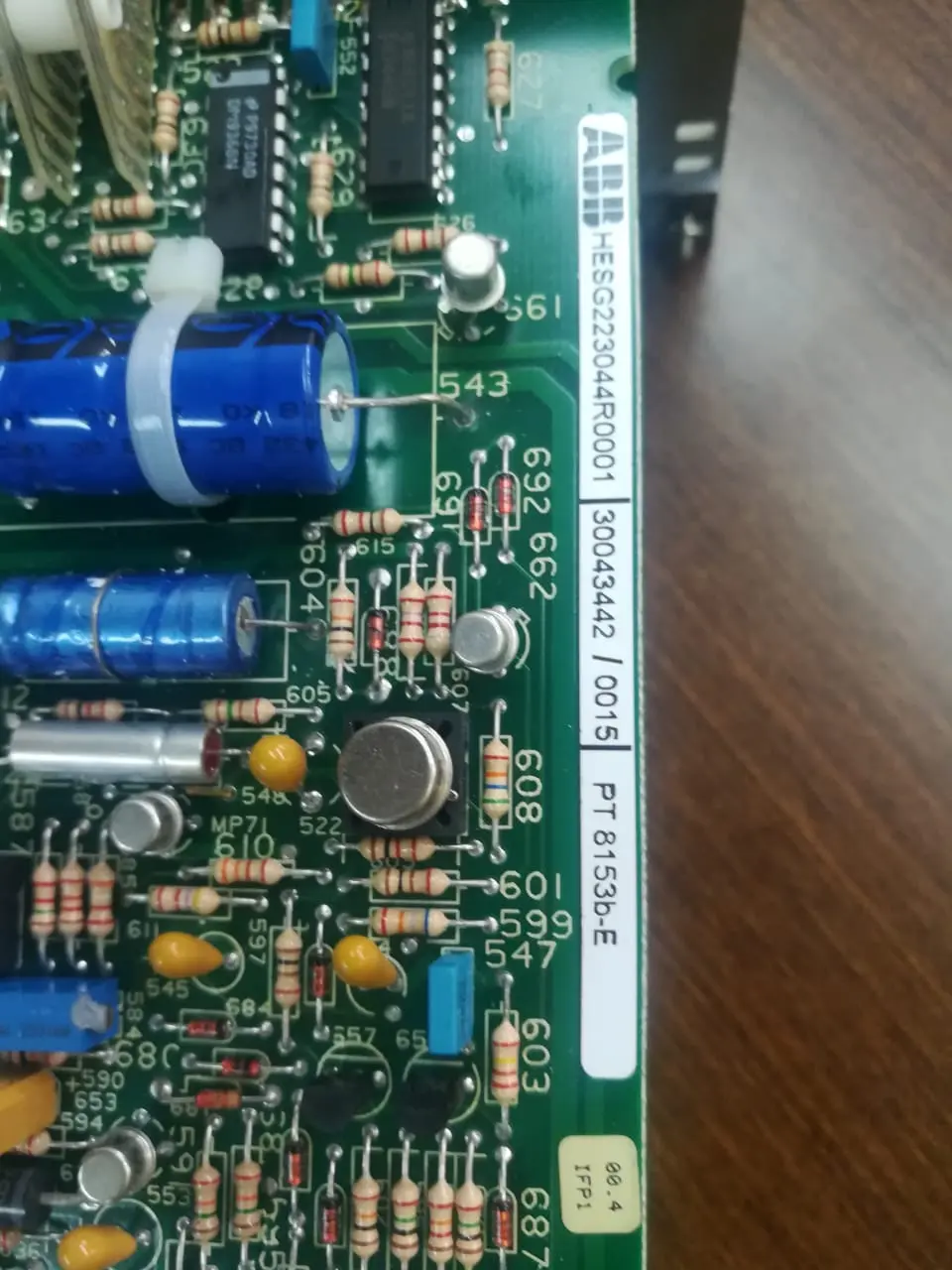
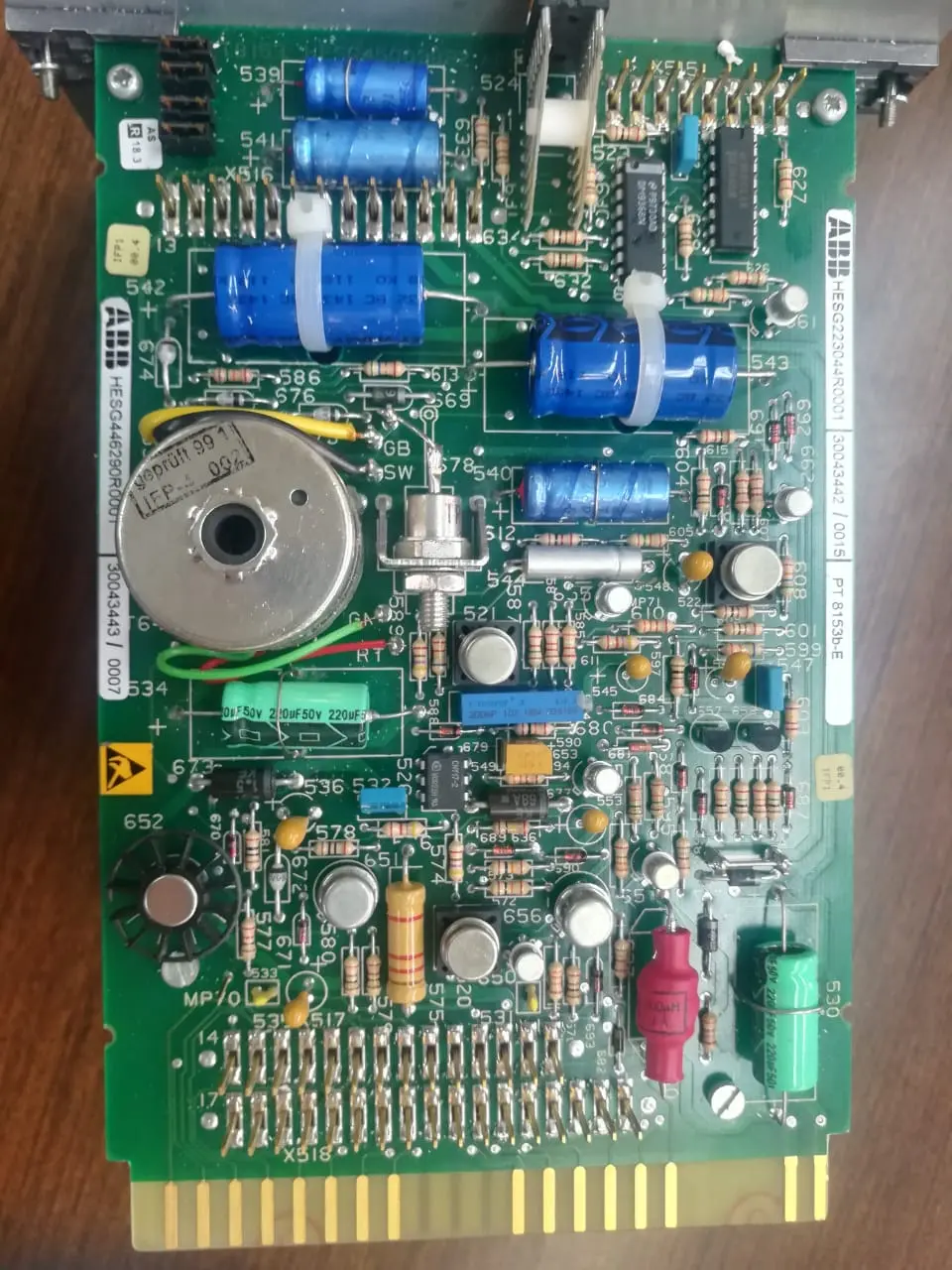
Ashuganj Power Station Company Ltd. (APSCL) needed support for aging ABB / BBC Brown Boveri Procontrol K controller cards used at Ashuganj Thermal Power Station Unit 4. The identified unit was Type PT8153b-E, Article No. HESG223044R0001.
Exact replacement sourcing was not straightforward. Supplier enquiries for the legacy article number returned no-bid or out-of-stock responses. Buying a replacement control solution could also have introduced a much larger cost and integration burden. The practical objective was therefore clear: determine whether the installed cards could be recovered safely and keep the existing system productive.
Why Repair
A Cost-Saving Alternative To Immediate Replacement
Replacement Risk
The exact legacy card was difficult to source, and a wider control-system change could create additional engineering, downtime and compatibility work.
Repair-First Value
Component-level repair offered a controlled way to extend the life of the installed system before committing to a larger capital purchase.
No percentage saving is claimed here because the available project record did not contain a like-for-like new replacement quotation for the exact article number.
The Work
How The Repair Project Progressed
-
Identify The Exact Hardware
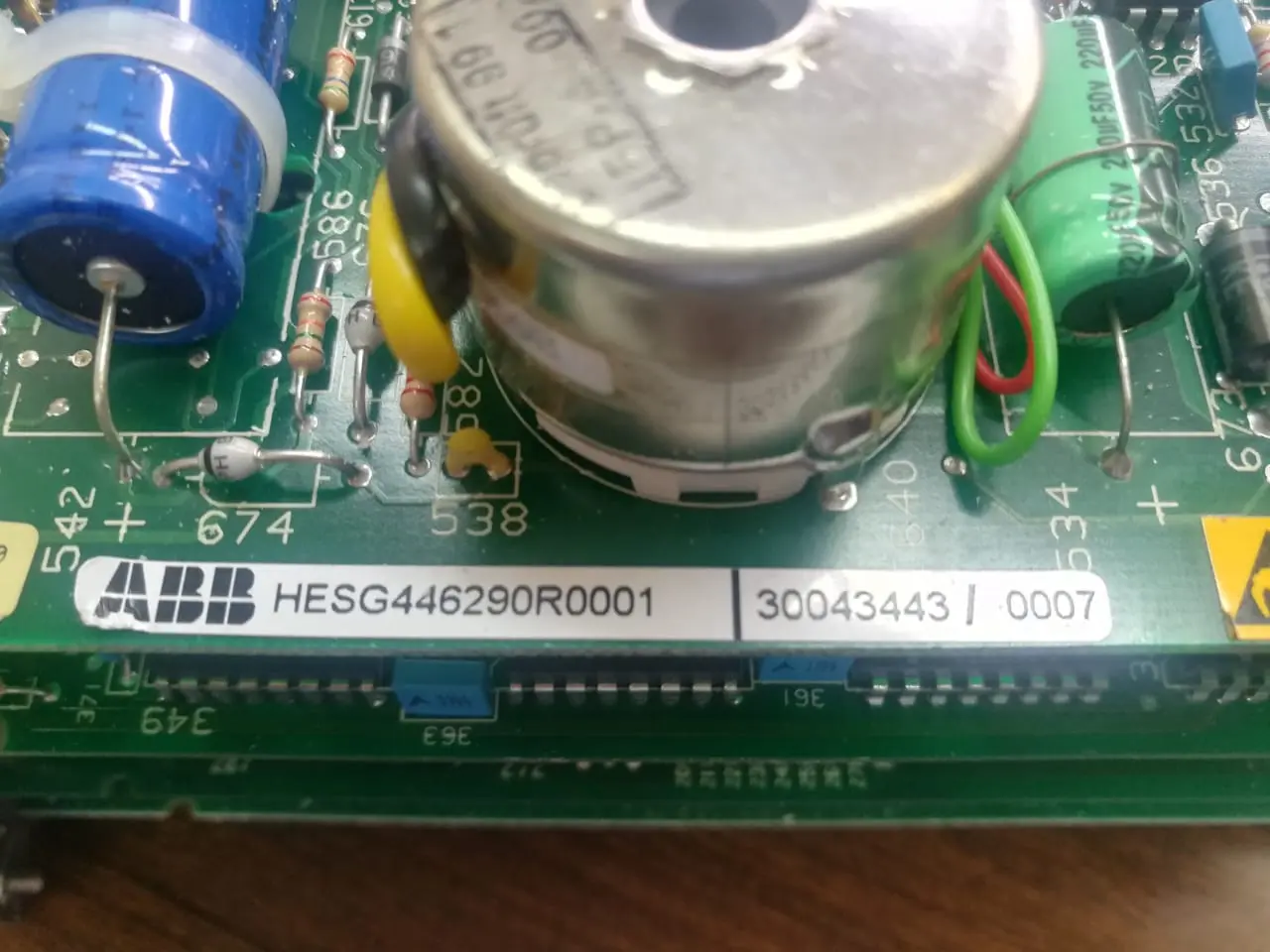
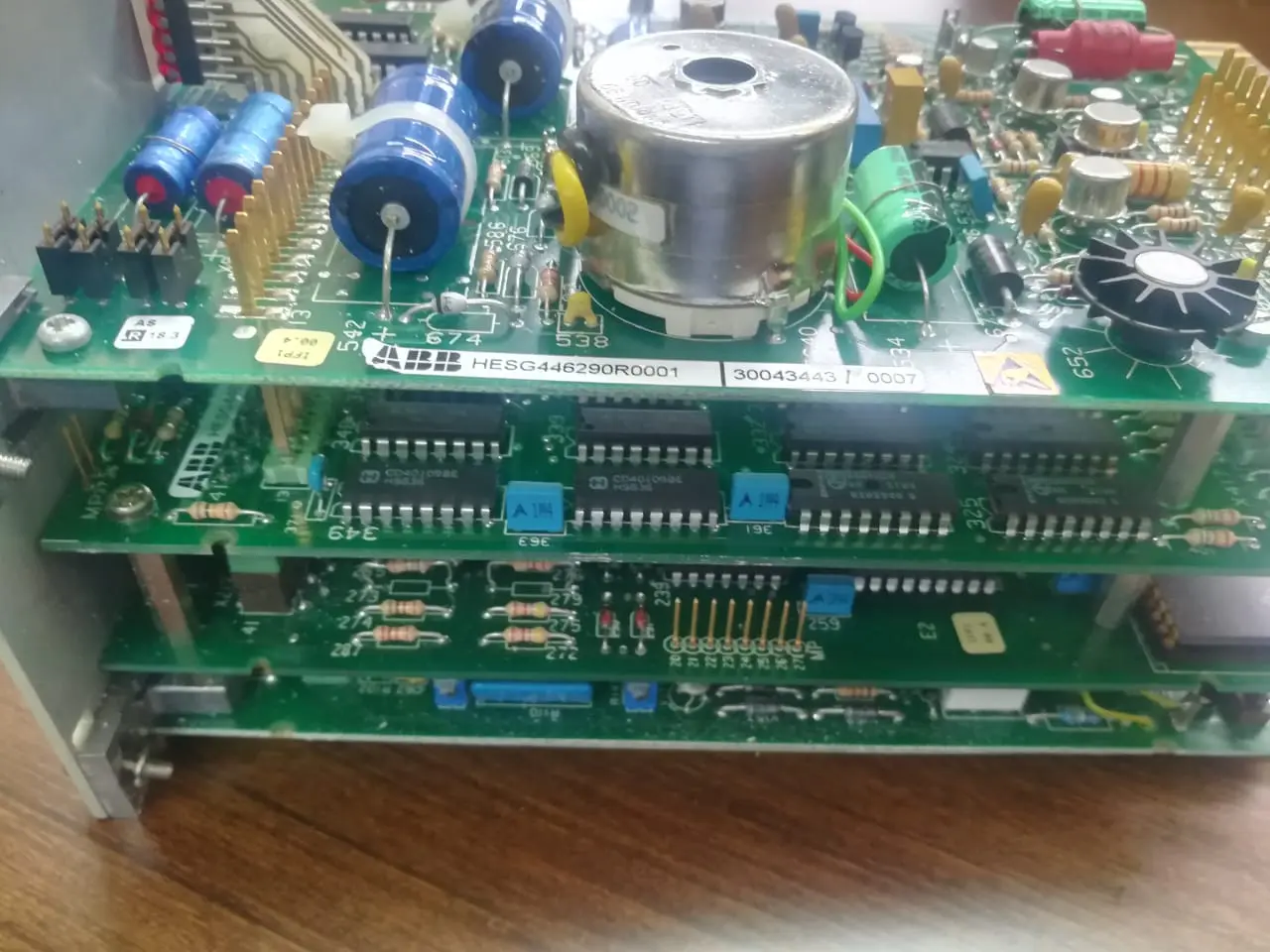
Product photographs, the PT8153b-E type and the HESG223044R0001 article number were checked before the repair route was arranged.
-
Begin With Two Trial Cards
Two units were sent to ICC Industrial Control Care FZE in Dubai in 2020. Individual job reports were issued after component-level service and bench checks.
-
Move From Trial To Repeat Work
The first repaired unit was reported operating, and APSCL then requested repair of five additional cards. That repeat order was the clearest sign of confidence in the repair-first approach.
-
Document The Repeat Batch
The Dubai centre completed the five-card batch in May 2021 and issued card-specific inspection and test reports covering visual, component and powered checks.
-
Own The Site-Test Problem
The repeat batch did not pass the first installation checks at site. Impro collected fault videos, serial details and comparison information instead of treating shipment as the end of the job.
-
Coordinate Warranty Reinspection
Six cards—the five repaired units plus a reference/extra card—were returned to Dubai under warranty. The repair centre reported a component-supplier batch issue, corrected the affected units and returned them with installation guidance.
Test Evidence
What The Supplied Job Reports Confirm
Four of the repeat-batch reports supplied for this case study are dated 20 May 2021. Each identifies the product as a PT8153B-E controller in repaired condition and records visual, component-level and powered checks.
| Repair Job | Serial Reference | Report Outcome |
|---|---|---|
| 00301642 | HE662489-318/26 | Repaired; recorded checks passed |
| 00301643 | HE661681-318/10 | Repaired; recorded checks passed |
| 00301645 | HE662489-318/11 | Repaired; recorded checks passed |
| 00301646 | HE662489-318/09 | Repaired; recorded checks passed |
Important Installation Note
The reports noted that IC location 233 was empty and advised checking jumper settings and inserting the required EEPROM / program IC before installation. Bench test evidence is useful, but it does not replace final functional validation in the client’s rack with the correct program and I/O conditions.
Warranty Follow-Up
The Difficult Part Was Handled, Not Hidden
After the five repaired cards reached APSCL, three initially showed no power and two powered up without returning values. That site result did not match the repair-centre reports. Impro coordinated the evidence trail, the return shipment and the warranty response across Bangladesh and Dubai.
During reinspection, the centre reported that components from a faulty supplier batch had caused the warranty issue. The cards were corrected and powered on again. Because the centre did not have the plant’s live I/O signals or program ICs, the final guidance again stressed correct jumper configuration and the program device at location 233 before site testing.
The corrected units were re-exported in 2021, a warranty confirmation was issued to APSCL in November 2021, and the commercial cycle closed in January 2022. The outcome was not a simple “ship and forget” repair—it was a managed recovery with accountability when the first site result exposed a problem.
Business Outcome
Extended Asset Life With A Controlled Repair Path
- Avoided an immediate purchase of difficult-to-source legacy replacements.
- Started with two trial cards before expanding to five repeat repairs.
- Created card-by-card traceability through job and serial references.
- Used a specialist Dubai centre while Impro handled local client communication and cross-border coordination.
- Kept responsibility through a warranty return and corrective reinspection.
The strongest client-satisfaction signal in the record is the repeat order placed after the trial phase. The later warranty work also shows why repair coordination must include follow-up, not only freight and paperwork.